
You've measured the wall. You've scrolled through hundreds of options. And now you're stuck between two completely different clocks, one that makes your heart race, and one that you'll actually be able to read from across the kitchen at 7am without squinting. That tension? It's real, and you're not alone in feeling it.
Related reading: wall clock gift ideas for every occasion
The debate between a decorative wall clock vs functional wall clock isn't about picking a winner. It's about understanding what each type actually brings to a room, and being honest about how you live in that space. A clock on a bedroom wall plays by different rules than one in a home office or above a dining table. Here's what works, and why.
À retenir
- Decorative clocks prioritize visual impact; functional clocks prioritize instant readability.
- Most rooms benefit from a clock that leans one way but doesn't completely sacrifice the other.
- Placement matters as much as style: the same clock reads differently in a hallway vs a living room focal wall.
- Noise level (ticking vs silent quartz) is a functional detail that often gets overlooked until it's too late.
- Your lifestyle, not just your aesthetic, should drive the final choice.
What We Actually Mean by "Decorative" and "Functional"
A decorative wall clock makes visual design the primary goal, while a functional wall clock makes instant, effortless readability the priority; most rooms benefit from understanding which quality matters more before choosing. These two labels get thrown around loosely, so let's pin them down. A decorative wall clock is one where the visual design is the primary consideration. Think sculptural metal frames, oversized 60 cm statement pieces, 3D sticker elements that dissolve the face into pure art, or a deer-head resin clock that doubles as wall sculpture. The time is technically there, but reading it fluently isn't really the point.
A functional wall clock flips the priority. Clean dial, high-contrast numerals, a face diameter and mounting height calibrated for easy reading at a distance. A 30 cm silent quartz metal clock in a kitchen, a bamboo-framed bedroom clock with clear Arabic numerals: these earn their place by being genuinely useful every single day.
The honest complication? Most of the clocks people actually love fall somewhere between the two. A beautifully crafted bamboo clock with a clean white dial can be both striking on a wall and effortlessly readable. The best purchases happen when you know which quality you're willing to push further, and which you can't compromise on. That's really the heart of the decorative wall clock vs functional wall clock conversation.

Reading the Room: Where You're Hanging It Changes Everything
Where you hang a clock determines everything: a kitchen demands bold, readable numerals and silent movement, a living room rewards visual impact, and a bedroom requires silence above all else. The single most useful question isn't "do I prefer modern or vintage?" It's: "how will I actually use this wall, and who's looking at this clock?" Your answer shifts the decorative wall clock vs functional wall clock balance more than any style preference ever could.
Living rooms and dining areas
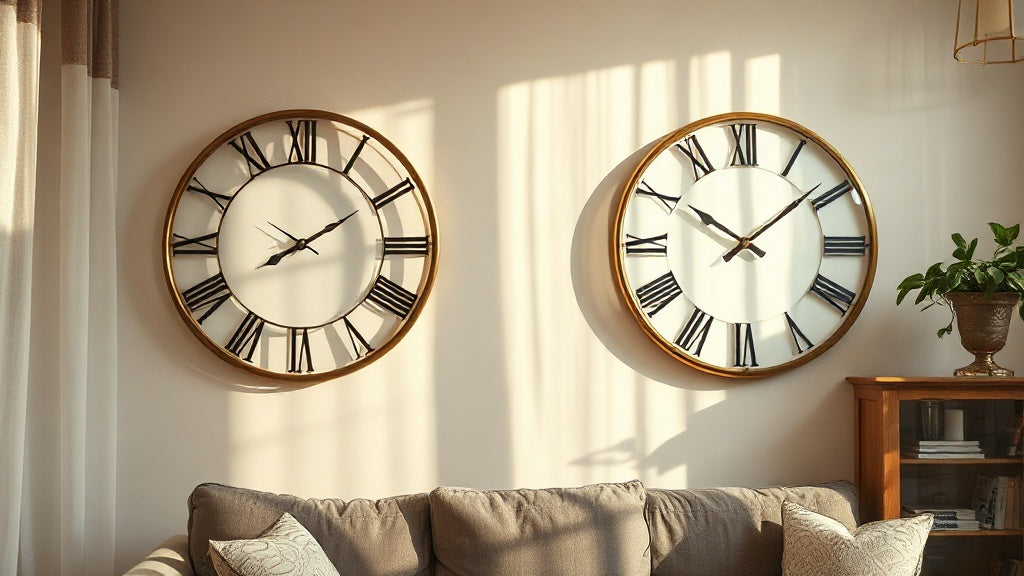
These are your showcase spaces. Guests see them. You style them with intention. A decorative clock here earns its keep as a focal point, especially on a large blank wall that needs visual weight. A 50 cm crossed-circle metal design or a gold circle piece at 60 cm can anchor an entire gallery wall arrangement. Readability still matters, but you're usually not sprinting past this room trying to catch a train.
Kitchens
Kitchens are where functional clocks shine hardest. You're cooking, your hands are busy, and you need to know if the pasta has been boiling for 8 minutes or 12. A clock with bold numerals, solid contrast between dial and hands, and silent quartz movement (so it doesn't compete with conversation) is genuinely the right call here. That said, a vintage cafe-style clock with roman numerals can still look incredible above open shelving; the key is making sure the face diameter is large enough (30 cm minimum) that you can read it without stepping back.
Bedrooms
Bedrooms demand silence above all. A ticking clock in a bedroom is a slow form of torture. Silent quartz movement is non-negotiable. Beyond that, the balance tips toward decoration because the bedroom is personal, intimate, and deeply tied to how you want to feel in the morning. A Scandinavian bamboo clock with a minimalist face hits both marks: calming to look at, clear enough to check before you reach for your phone.
Home offices and studios
Pure function. You need accurate, at-a-glance time tracking. A clean analog wall clock with a bold face, high contrast hands, and no distracting decorative elements keeps you in flow without pulling focus. Save the sculptural pieces for somewhere else.
Hallways and entryways
High foot traffic, quick glances, no time to admire. Functional wins here too, but scale matters: a small clock looks lost in a tall hallway. Go for a mid-sized (30-40 cm) piece with clean lines that doesn't compete with mirrors or coat hooks.
Did you know?
The concept of a "decorative" clock dates back to 17th-century France, when aristocratic households commissioned ornate mantel clocks purely as status symbols. Accurate timekeeping was secondary to the prestige of having an exceptional craftsman's name on the dial. The functional clock, by contrast, grew from factory and railway culture in the 19th century, where synchronized, readable time was a matter of productivity, and sometimes safety.
The Five Features That Separate Decorative from Functional Clocks
Five features draw the clearest line between decorative and functional clocks: dial readability, size and scale, movement noise, frame materials, and installation context; each reveals which priority the clock was actually built around. Rather than thinking in vague categories, it helps to evaluate specific features. When you're weighing a decorative wall clock vs functional wall clock, here's where the two genuinely diverge, feature by feature:
| Feature | Decorative Clock | Functional Clock |
|---|---|---|
| Dial readability | Often secondary; numerals may be stylized, absent, or small | High contrast, bold numerals, clear hand differentiation |
| Size and scale | Often oversized (50-80 cm) for visual impact | Calibrated to reading distance; 25-40 cm for most rooms |
| Movement noise | Varies; often silent quartz, but not always prioritized | Silent quartz almost always; noise disrupts utility |
| Materials and frame | Resin, sculptural metal, wood carving, 3D elements | Metal, bamboo, acrylic; clean, unobtrusive profiles |
| Installation context | Focal wall, gallery arrangement, standalone statement | Eye-level placement calibrated for quick reading |

When a Decorative Clock Is the Right Answer
A decorative clock is the right answer when visual impact matters more than instant readability: large living room walls, themed spaces, and gifts all call for a clock that works as art first and timepiece second. There are spaces and moments where pushing purely toward visual impact is completely the right move. A large living room wall that feels flat and unresolved is a prime candidate. A sculptural clock at that scale does what a painting does: it creates a reference point that gives the eye somewhere to land.
The same logic applies to themed rooms. An industrial loft with exposed brick, raw steel furniture, and concrete floors doesn't need a clock that whispers. It needs something with presence, like a copper-red metal clock with visible rivets and an oversized frame that fits the visual language of the space. That kind of deliberate match is where the decorative wall clock vs functional wall clock question almost answers itself.
Decorative clocks also make extraordinary gifts precisely because they register as art objects. Someone receiving a deer-head resin clock with glass mirror accents isn't thinking about whether they can read it at a glance; they're reacting to the craftsmanship, the surprise, the personality of the piece.

Featured Pick
Gold Circle Design Wall Clock - 60 cm Metal Dial
At 60 cm across, this geometric gold metal clock works as a standalone focal point on any large, bare wall where you want pure visual authority. The open-ring silhouette keeps it light despite the scale, so it dominates without suffocating.
209.00 USD
Voir le produit →When Functional Is Non-Negotiable
Functional clocks are non-negotiable in kitchens, home offices, and mudrooms: anywhere you check the time repeatedly, under pressure, you need a face that delivers information instantly without any effort. Some situations simply don't negotiate. If you're standing in a kitchen timing multiple dishes, glancing up repeatedly while your hands are full, you need a clock face that delivers information instantly. The same applies to a home office where time tracking drives your day, or a mudroom where you're doing a last-minute check before running out the door.
Functional clocks also tend to age better in rooms that change style over time. A clean, well-proportioned analog clock with a neutral frame adapts across redecorating cycles. You paint the walls a new color, swap out the furniture, and the clock still fits. A highly stylized decorative piece can become a constraint if your tastes shift.
One thing customers consistently mention: silent quartz movement is one of those features you don't appreciate until you've lived without it. A ticking clock in a bedroom or home office is distracting in a way that's hard to quantify until 11pm when it's the only sound in the room.

Top Pick for High-Traffic Rooms
Kitchen Wall Clock - Silent Quartz Metal Clock 30 cm
Designed for exactly the rooms where you need time at a glance: silent, clear, and proportioned right for kitchen or office walls. The matte metal frame blends with both warm and cool palettes without competing for attention.
60.00 USD
Voir le produit →The Middle Ground: Clocks That Do Both Well
The best wall clock purchases land in the middle ground: visually compelling enough to anchor a room and legible enough to read in half a second, with roman numerals, Scandinavian bamboo, or industrial metal frames leading the way. Here's where things get genuinely interesting. The best clock purchases often happen in this overlap, where a clock is visually compelling enough to anchor a room and clear enough to read in half a second. If the decorative wall clock vs functional wall clock question has been frustrating you, this is the category worth spending time in. A few design approaches reliably hit both marks.
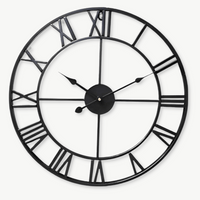
- Roman numeral clocks with open frames: The numerals are stylized enough to feel designed, but their structure is inherently readable. Large roman numerals on a clean metal ring read surprisingly well at distance.
- Scandinavian bamboo designs: Natural material warmth makes them feel curated and intentional, while the typically clean dials and bold hands keep them firmly legible. Scandinavian wall clocks tend to sit squarely in this sweet spot.
- Industrial metal clocks with bold faces: The raw material aesthetic creates visual presence, while the oversized dial (often 30-50 cm) makes reading effortless. The industrial wall clock category is worth browsing if your space has exposed materials or a raw, textured palette.
- Designer glass clocks: A transparent or semi-transparent face adds visual depth and sophistication while keeping the numerals visible through the glass. The effect is subtle but distinctive.

"A clock should tell you the time without you having to ask it twice."
A guiding principle for any clock that earns its place on the wall.
Matching Clock Type to Interior Style (Quickly)
Matching a clock to your interior style prevents visual conflict: minimalist rooms want clean bamboo faces, industrial spaces suit open metal frames, and eclectic rooms can absorb sculptural statement pieces without a second thought. Style compatibility matters more than people admit. A highly decorative clock placed in a room that's fighting a different visual direction just looks like an argument rather than a statement. Here's a fast reference for what tends to work, whether you're leaning toward a decorative wall clock vs functional wall clock or something in between:
- Minimalist and Nordic interiors: Clean analog faces, bamboo or white-painted wood frames, no visible ticking mechanism. Readability is high; decoration is quiet but intentional. Browse Scandinavian wall clocks for options that fit naturally.
- Industrial and urban loft spaces: Open metal frames, exposed gear details, copper or matte black finishes. These lean decorative but with a raw, structural quality that feels purposeful rather than fussy.
- Vintage and European-style rooms: Roman numerals, aged patinas, pendulum silhouettes or ornate cases. Readability can be sacrificed slightly here because the atmosphere of the clock is part of the room's story.
- Contemporary and transitional spaces: Geometric frames, gold or brushed steel accents, clean sans-serif numerals. These rooms can absorb both decorative and functional clocks well, making them the most flexible category.
- Bohemian and eclectic spaces: Sculptural pieces with unexpected materials (resin, mixed metals, organic shapes) work beautifully. Readability is usually less critical because these rooms already have a lot of visual information competing for attention.

Best of Both Worlds
Black Nordic Wooden Wall Clock - Scandinavian Bamboo Design
The bamboo grain gives it genuine warmth in a minimalist room, while the high-contrast black face on a pale dial makes time-reading effortless from the sofa. It's the clock that doesn't ask you to choose.
67.00 USD
Voir le produit →
For Lofts and Raw Spaces
Industrial Metal Wall Clock - Roman Numeral Open Frame
The open wrought-iron frame and bold roman numerals feel right at home against exposed brick or concrete. Large enough to command attention, structured enough to remain readable from across the room.
89.00 USD
Voir le produit →Three Questions Worth Asking Before You Buy
Three honest questions cut through indecision before buying a wall clock: how often you check it daily, whether the room already has a focal point, and whether you want the clock to match or contrast with the existing decor. Cut through the indecision with these three prompts. They're not meant to be exhaustive, just honest filters that clarify what you actually need.
- How often will I check this clock in a typical day? More than five times? Lean functional. Once or twice for ambient awareness? Decorative is fine.
- Is this the room's focal point, or does it already have one? If the room has a fireplace, a large artwork, or a dramatic window, a bold decorative clock might compete rather than complement. A quieter, functional piece often serves better in rooms that already have a visual anchor.
- Do I want this clock to match or to contrast? Matching creates calm, cohesive rooms. Contrasting creates personality and edge. Both are valid. Neither is wrong. But knowing which you're going for changes every decision that follows.
The most useful clocks, both for your space and for your daily life, are the ones that answer these questions honestly. A well-chosen wall clock doesn't just fill a wall; it works with the room, tells time without effort, and holds up visually year after year. That's a higher bar than purely decorative or purely functional, but it's absolutely achievable.
Frequently Asked Questions
Which is better: a decorative wall clock or a functional wall clock?+
Neither is objectively better; the right choice depends on the room and how you use it. In a kitchen or home office where you check the time constantly, a functional clock with a bold, high-contrast face delivers real daily value. In a living room or bedroom where glances are infrequent and visual impact matters more, a decorative clock earns its place. The ideal purchase for most people lands somewhere in the middle: a clock that looks considered and intentional while still being readable at a glance.
Can a decorative wall clock also be easy to read?+
Yes, and this is where the decorative vs functional divide becomes less useful. Many clocks with strong visual design, like open-frame metal clocks with large roman numerals, are perfectly readable at normal room distances. The key is checking dial diameter (aim for at least 30 cm if you're reading from more than 3 meters away) and hand contrast against the face color.
What size wall clock is best for a living room?+
For most living rooms, a clock between 40 cm and 60 cm in diameter works well as a primary wall feature. Smaller than 35 cm tends to look undersized on a large wall and reads as an afterthought. Larger than 70 cm works in loft spaces or rooms with high ceilings and genuinely expansive walls; in a standard-sized room it can overwhelm.
Is silent quartz movement only for bedrooms?+
Not at all. Silent quartz movement is genuinely preferable in any room where you spend extended time: offices, reading rooms, open-plan living areas. The ticking of a standard quartz or mechanical clock is easy to ignore when background noise is present, but in a quiet room it becomes a constant low-level distraction. Silent mechanisms add no cost that matters at the price points of quality clocks.
Should I match my wall clock to other metal finishes in the room?+
Matching metals creates visual continuity and tends to feel more polished, especially in minimalist or Scandinavian interiors. But deliberate contrast can work too: a brass or copper clock against matte black hardware reads as a collected, curated choice rather than a mismatch. The difference between "intentional contrast" and "it just doesn't fit" usually comes down to whether at least one other element in the room echoes the clock's finish.
What's the difference between a designer wall clock and a decorative one?+
A decorative clock prioritizes aesthetic appeal, sometimes at the expense of readability or simplicity. A designer clock implies that the aesthetic choices are deliberate, coherent, and often rooted in a recognizable design language (industrial, Scandinavian, Art Deco). Designer clocks can be highly functional; decorative ones don't have to be. The labels overlap but aren't the same thing.