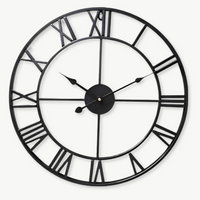


There's a moment when you hang a pendulum clock in your living room and something just clicks. Not the ticking, since most modern ones are completely silent. It's the room itself. The wall that felt unfinished now has a focal point. The space that read "almost there" finally reads "done." The best pendulum clock for a living room does two things at once: it keeps time and anchors the entire wall around it. That's a lot to ask of one object. Here's what actually works.
⭐ Key takeaways
- Pendulum clocks work best in living rooms with enough vertical wall space to let the swing breathe, usually at least 40 cm below the dial.
- Silent quartz movements are the standard for home use today. No winding, no noise, full visual effect.
- Style matters more than size: a well-proportioned 50 cm clock in the right finish will outperform an oversized clock in the wrong one.
- Industrial, Scandinavian, and vintage-inspired styles are the three categories that place best in living rooms right now.
- Placement beats everything: eye level, above a console or sofa, with breathing room on both sides.
What a Pendulum Clock Actually Is (and Why It's Back)
A pendulum clock uses a weighted rod that swings in a regular arc to regulate timekeeping, a mechanism invented by Christiaan Huygens in 1656 that remained the most accurate clock technology for nearly 300 years. In a modern living room, the pendulum is mostly decorative. The actual timekeeping runs on a battery-powered quartz movement. But the swing is real, the rhythm is real, and the visual effect is completely alive.
They're back for a simple reason. Rooms have gotten quieter, more considered. People are choosing fewer pieces and asking more from each one. Elena Rossi, our in-house decor curator, puts it plainly: "I'd rather style a wall with one pendulum clock that moves than three prints that do nothing." A pendulum wall clock is motion on a wall that would otherwise be static. It's warmth in a room that could easily read cold. That's hard to get from a print or a shelf arrangement.

💡 Did you know?
Huygens' original 1656 pendulum clock was accurate to within one minute per day, a dramatic improvement over the spring-driven clocks of the era. By 1670, pendulum clocks were accurate to within ten seconds. Today's quartz movement keeps time to within about 15 seconds per month, while the pendulum just swings along for the aesthetic.
The 5 Styles That Work Best in a Living Room Setting
Not every pendulum clock earns its place in a living room. These five styles consistently deliver both the visual weight and the decorative coherence the main room of a home demands. Elena has tested all five in real client homes and has strong feelings about which earns its keep.
Industrial Metal with Exposed Frame
An open-frame iron or steel pendulum clock, usually in black or aged copper, works exceptionally well on bare brick, concrete, or matte white plaster walls. The pendulum swings visibly through the frame, which is a large part of the appeal. These tend to run between 50 and 80 cm in diameter. Anything smaller risks looking like an afterthought on a large wall.
Elena's honest take: industrial open-frame is her first recommendation for loft apartments and new-builds with high ceilings alike. "Clients who go Scandinavian minimalist sometimes regret the restraint after six months," she says. "Nobody ever regrets the industrial clock." The key detail to check: the pendulum weight. A heavier brass or copper bob swings with more visible authority than a thin plastic one. It makes a difference from across the room.
Vintage Regulator Style
This is the long, narrow case format, often in dark wood or metal, with a glass panel that reveals the pendulum below the dial. It references the 19th-century precision clocks that hung in railway stations and watchmakers' workshops across Europe. In a living room, it reads as considered and slightly literary. It works particularly well flanked by bookshelves or above a narrow console table.
Scandinavian Minimalist
Clean lines, natural wood or pale metal, a simple dial with no numerals or slim Arabic numbers. The pendulum here is thin, often in matching wood or brushed steel. Scandinavian minimalist clocks suit modern apartments and new-build interiors where the walls are white and the furniture is low-profile. The clock adds texture without competing with anything. Elena's caveat: if the rest of the room is already very spare, this style can disappear into the wall. Add at least one warm-toned element nearby so it reads as intentional rather than forgotten.
Steampunk and Gear-Driven
A category that gets dismissed as novelty but, done well, is genuinely impressive. Steampunk pendulum clocks with visible spinning gears and mixed metal-and-wood construction can function as full wall installations rather than just clocks. The best ones move multiple gear layers simultaneously while the pendulum swings. They suit eclectic rooms, creative studio spaces, and any interior where the owner wants the clock to be the unambiguous centerpiece. Elena keeps one in her own studio, which she describes as "the first thing every client asks about."
Contemporary Acrylic or Geometric
Newer territory. These use laser-cut acrylic or metal in geometric shapes, sometimes with a transparent dial. The pendulum integrates into the overall geometry of the design. They suit interiors that lean toward contemporary art rather than traditional decoration. If the rest of your living room is fairly spare, this style adds the most distinctive element. One thing Elena warns about: "customers tell us the geometric styles photograph beautifully but can feel cold in person if the room has no warm tones at all. Pair it with a timber shelf or a woven throw and you're sorted."

How to Choose the Right Size for Your Wall
The right size for a living room pendulum clock depends on three measurements: wall width, ceiling height, and the clear drop below the mounting point before furniture interrupts the pendulum's swing.
Here's the practical breakdown:
- Small walls (under 2 m wide): A 40-50 cm diameter clock is enough. Going larger creates imbalance.
- Mid-size walls (2-3 m wide): This is where most living rooms sit. A 50-70 cm clock hits the sweet spot.
- Large feature walls (3 m+ wide): You can go to 80 cm or beyond, but proportion still matters. A single oversized clock on a very wide wall can look isolated rather than bold.
The pendulum swing adds a vertical dimension that standard clocks don't have. Plan for at least 30-40 cm of clear wall below the clock body. If you're hanging it above a console table, make sure the pendulum won't clip the top of whatever's on the surface. This catches people out more often than you'd expect. Elena's rule of thumb: "if you have to ask whether there's enough room, there isn't."
| Wall Width | Recommended Diameter | Best Style Fit |
|---|---|---|
| Under 2 m | 40-50 cm | Scandinavian, vintage regulator |
| 2-3 m | 50-70 cm | Industrial, steampunk, geometric |
| 3 m+ | 70-90 cm or grouped arrangement | Oversized industrial, steampunk gallery wall |
Placement That Makes the Pendulum Work For You
Where you hang a pendulum clock matters as much as which one you choose. The pendulum creates vertical rhythm, and that rhythm needs context: a piece of furniture below it and clear breathing room on both sides.
The Classic Position: Above the Sofa or Console
The most reliable placement. Center the clock above a sofa or console table, leaving 15-20 cm of wall between the top of the furniture and the bottom of the clock body. The pendulum will swing in the space between the furniture surface and the clock, which frames both elements naturally.
One thing to watch: if the sofa back is high and the ceiling is standard height, the pendulum's swing can get visually crowded. In that case, move the clock to a wall where the furniture sits lower. Elena has seen this mistake in almost every loft conversion she's styled. "The sofa eats the clock," she says. "Either drop the furniture or find a taller wall."
The Fireplace Wall
A pendulum clock above or beside a fireplace is a traditional combination that still works. The warmth of the fire and the rhythm of the pendulum create a room that feels genuinely alive. If you place it directly above the mantel, make sure the heat from the fireplace won't affect the clock mechanism. Most quartz movements handle normal room temperature variation fine, but prolonged exposure to direct heat is worth avoiding.
The Entryway-Adjacent Wall
A pendulum clock on the wall visible from your front door sets the tone for the whole home immediately. It's the first piece of decor a visitor actually notices. This placement works especially well for industrial or vintage-style clocks that make a strong first impression without needing supporting elements around them. Elena specifically recommends this position for the open-frame industrial style: "It doesn't need context. It just needs wall space and decent light."
Pendulum Clocks Paired With Specific Interior Styles
The right pendulum clock for your living room isn't universal. It's the one that speaks the same visual language as the rest of the room. Here's how the main interior styles translate into clock choices, with Elena's honest verdicts on what actually lands.
Mid-Century Modern
Warm wood tones, clean geometry, brass accents. A pendulum clock in walnut or oak with a simple dial and a brass-finished pendulum bob fits naturally here. Avoid overly ornate or industrial finishes. The clock should feel like it belongs to the same decade as the furniture, even if it's brand new. Elena's preference: walnut over oak every time, because the deeper grain reads warmer under artificial evening light.
Contemporary Loft or Industrial
Exposed brick, concrete floors, steel-frame windows. This is where large industrial metal pendulum clocks thrive. The bigger the better, within proportion. Black iron or aged copper finishes echo the raw materials of the space. A 60-80 cm open-frame clock on a brick wall is a combination that rarely fails. Elena has never had a client regret going larger in a loft context. The only risk is going too small.
Traditional and Classic
Dark wood, upholstered furniture, layered rugs. A regulator-style pendulum clock with Roman numerals, a mahogany or walnut case, and a brass pendulum bob is the natural fit. This style is less about being bold and more about being correct. The clock should look like it has always been there.
Eclectic and Collected
The most flexible category. If your living room mixes periods and materials freely, a steampunk pendulum clock with visible gears and mixed metal-and-wood construction fits right in. It reads as intentional rather than mismatched because eclecticism rewards pieces with strong personality. Customers who describe their rooms as "collected over time" almost always respond best to the steampunk category, in Elena's experience.

7 Pendulum Clock Picks Worth Considering Right Now
These seven options cover the main styles and price points. Each one has been chosen for how it performs as decor, not just as a clock. Elena signed off on every pick on this list personally, and two of them are in spaces she styled herself.
1. The Steampunk Gear Statement
If you have one large blank wall and want a single piece that fills it completely, a large steampunk pendulum clock with spinning gears is probably the most effective option available. The 60 cm diameter gives it real presence. The multiple gear layers move independently while the pendulum swings, so there's always something to look at from across the room. It suits eclectic and industrial interiors well but can anchor a plain white wall just as effectively when it's the only major piece. Elena's note: "this is the one people stop and stare at. It never just disappears into the background."

2. The Industrial Open-Frame
An industrial forged iron or metal wall clock with an open frame lets the pendulum swing in full view against whatever wall is behind it. This is particularly effective on brick or textured plaster, where the wall itself becomes part of the composition. A 50 cm diameter is manageable for most living rooms while still reading as a genuine statement. The key advantage over enclosed-case pendulum clocks: the relationship between the clock and the wall behind it stays visible and alive. At 1,600 g of solid iron, it has the kind of physical presence that tells you immediately it's not a lightweight reproduction.

3. The Oversized Industrial Statement
For large living rooms with high ceilings and generous walls, an 80 cm clock shifts the entire register. It's not decorating a wall anymore; it's defining it. Hand-welded construction at this scale gives each piece slight variations that mass-produced clocks simply don't have. The slim 12 mm profile means it sits close to the wall rather than projecting into the room, which keeps the visual impact architectural rather than bulky. Elena's verdict: "if your living room has a wall over three meters wide and you hang anything smaller than 70 cm, the wall wins. This clock wins instead."

4. The 60 cm Factory-Style Clock
Somewhere between the accessible and the statement. A 60 cm factory-style metal clock with an analog pendulum dial pulls from the visual language of early industrial Europe without tipping into costume. At 2,200 g, the wall presence is real in a way lighter clocks can't replicate. It works equally well in a converted loft or a standard apartment living room where you want one strong piece on the main wall. Customers who describe their existing decor as "nothing too loud" consistently land on this one, because it has character without demanding attention.

5. The Roman Numeral Metal Classic
Roman numerals on a large metal dial feel authoritative in a way that Arabic numbers don't. Available in 40 cm and 60 cm, the 60 cm version is the right choice for a living room focal wall. The slim 1.2 cm profile belies the actual visual weight of the piece. Roman numeral pendulum clocks bridge traditional and contemporary rooms well, which makes them a lower-risk choice if the rest of the living room has a mixed aesthetic. Elena's note: "customers who say they 'can't decide on a style' almost always look right at home with this one."

6. The Mirror-Dial Industrial
A reinforced mineral glass mirror dial at 53.5 cm catches light differently at every hour of the day. As the room's natural light changes from morning to evening, the clock's visual effect changes with it. This kind of responsiveness to ambient light is unusual in wall decor and worth more than the price premium suggests. The all-metal construction and silent quartz movement mean zero maintenance beyond an annual battery change. Elena keeps an eye on this one for south-facing living rooms specifically: "the afternoon light hits the mirror face and makes the whole wall glow. Clients think it's intentional."

7. The Large Geometric Contemporary
At 78 cm across a combination of metal and acrylic, this is the most contemporary option on the list. The geometric form reads as much as wall art as it does as a clock. For living rooms where the decor leans toward gallery-wall aesthetics and clean, abstracted forms, it fills a brief that more traditional pendulum styles can't. The silent sweep quartz movement is particularly well-suited to open-plan living spaces where any ticking would carry. Elena's honest warning: "this one divides opinion. People who love it, love it immediately. If you're on the fence after thirty seconds, pick the industrial instead."

Pendulum Clock Collection
21 pendulum clocks ranging from antique Black Forest cuckoo styles to minimalist acrylic designs, all with real pendulum movement and silent quartz timekeeping.
21 products
Browse the collection →What to Look For in the Movement and Construction
Beyond style and size, three technical factors determine whether a pendulum clock will still look and work well five years from now: the movement type, the pendulum construction, and the wall-mounting system.
Movement: Quartz vs. Mechanical
Most living room pendulum clocks sold today use a quartz movement with a battery-powered pendulum motor. This is the right choice for most people. No winding, no regulation, no service requirements. The pendulum swings independently of the timekeeping, which means it never drifts or stops mid-swing unless the battery runs out.
Fully mechanical pendulum movements, the kind that require winding and precise leveling, are still available from specialist clockmakers. They're exceptional objects with a different relationship to time entirely. But they require setup knowledge and periodic maintenance that most buyers aren't looking for in a living room clock. Elena's honest position: unless you genuinely enjoy clock maintenance, a quartz movement is the smarter choice for a home setting.
Pendulum Bob Material
The bob is the weighted element at the bottom of the pendulum rod. In good-quality clocks, it's cast brass, copper, or heavy metal alloy. In cheaper versions, it's plastic with a metallic finish. The difference is immediately visible from across the room. A solid brass bob catches light and swings with a visual weight that plastic simply doesn't have. When comparing options, check the product specifications for pendulum material specifically.
Mounting and Leveling
Pendulum clocks need to hang level. Even a slight tilt affects the swing symmetry and can cause the pendulum to drift toward one side and eventually stop. Good clocks include a small leveling adjustment on the mounting bracket. Check that this feature is included, particularly for heavier models where re-hanging is inconvenient.
"A clock that stops is not broken. It simply needs to be hung level."
Traditional clockmaker's saying, still the most common repair call avoided by correct installation.
Making the Most of a Pendulum Clock in an Open-Plan Living Room
Open-plan living rooms present a specific challenge: the space is wide, sightlines are long, and the pendulum clock needs to hold its own from multiple angles without competing with other focal points.
The most common mistake is treating the pendulum clock like a standard wall clock and centering it on too small a section of wall. In an open-plan room, the clock should anchor an entire zone, not just fill a gap. This usually means either going larger than feels comfortable in a standard room, or pairing the clock with architectural elements like a fireplace surround or a full-height bookcase that frame it naturally. Elena has seen this mistake enough times to have a shorthand for it: "people buy the right clock and hang it in the wrong proportion of wall. The clock looks small not because it is small, but because there's too much empty wall around it."
Sound is worth considering too. Open-plan living rooms with hard floors and high ceilings amplify every acoustic detail. A silent quartz movement is non-negotiable here. Even moderate ticking that would go unnoticed in a contained room becomes a noticeable presence in a large open space.
Browse the full living room wall clock collection to compare styles and sizes side by side, including options that work specifically for larger open-plan spaces.
Frequently asked questions
What is a pendulum clock and how does it keep time?+
A pendulum clock uses a swinging weighted rod to regulate timekeeping. In traditional mechanical clocks, the pendulum's regular arc controls the release of gears, making the clock accurate. In most modern living room pendulum clocks, a battery-powered quartz movement handles the actual timekeeping while a separate motor drives the pendulum swing for visual effect. The result looks and behaves like a traditional pendulum clock with none of the maintenance requirements.
Which direction should a wall clock face in a living room?+
There's no single rule, but the most practical guidance is to hang a clock where it's visible from the main seating area and from the room's entry point. For pendulum clocks specifically, this usually means the wall opposite or perpendicular to the main sofa, so the pendulum's swing is visible while seated. Avoid placing it where direct sunlight hits the dial for extended periods, as this can fade certain finishes over time.
What size pendulum clock works best in an average living room?+
For most living rooms with standard ceiling heights and wall widths between 2.5 and 3.5 meters, a 50-70 cm clock hits the right balance. It reads clearly from across the room without overwhelming the wall. If the wall has competing elements like windows, art, or shelving, err toward the smaller end of that range. If the wall is a clean, uninterrupted surface, the larger size creates a stronger focal point.
Do pendulum wall clocks make noise?+
Modern pendulum wall clocks with quartz movements are generally silent. The quartz movement itself produces no audible ticking, and the pendulum motor is quiet enough to be inaudible from more than a few feet away. Traditional mechanical pendulum clocks do produce an audible tick with each swing, which some people find pleasant and others find distracting. If you're hanging a clock in a bedroom or a space used for focused work, always check that the product specifies a silent or sweep quartz movement.
What are the best quality wall clock brands to know in 2026?+
For living room statement clocks, names that consistently appear in serious home decor circles include Howard Miller for traditional pendulum styles, Karlsson for Scandinavian minimalism, and several independent European makers working in industrial and steampunk aesthetics. For designer and contemporary styles with strong construction quality, CasaClock's range covers industrial metal, geometric, and mixed-material pendulum clocks at accessible price points without the generic finish that undercuts cheaper alternatives.
Can a pendulum clock work on any wall, or are some surfaces better than others?+
Any solid wall works provided you mount the clock level on a stud or with an appropriate anchor for the weight. The wall surface affects the visual effect more than the function. Exposed brick and raw plaster amplify industrial and open-frame styles. Smooth painted walls suit Scandinavian and geometric styles. The one surface to avoid: hollow partition walls that vibrate with foot traffic, as the vibration can disrupt the pendulum's swing rhythm over time. If in doubt, tap the wall. A hollow sound means find a stud first.