
You found the perfect clock. The shape is right, the color works with your tiles, and the size is exactly what you pictured. Then a friend mentions, almost as an afterthought: "Will that hold up in a kitchen?" Suddenly you're second-guessing the whole thing.
It's a fair question. Humidity is genuinely hard on timepieces. Steam from cooking, condensation from cold pipes, the daily temperature swings in a bathroom, these aren't extreme conditions, but they're relentless. Over months, the wrong material warps, rusts, fades, or simply stops looking good. Choosing the best material for a wall clock in a humid room isn't about paranoia; it's about making sure your investment still looks intentional five years from now.
Here's what actually holds up, and what quietly falls apart.
Key takeaways
- Powder-coated or stainless metal is the most reliable choice for high-humidity spaces.
- Sealed bamboo and treated hardwoods can handle moderate moisture, but raw wood is risky.
- Acrylic and tempered glass faces repel water and stay looking clean with minimal effort.
- Untreated MDF, particleboard, and standard paper dials are the first things to fail.
- The clock movement matters as much as the case: look for sealed quartz mechanisms.
Why Humidity Damages Clocks Faster Than You'd Think
Most wall clocks aren't tested for humidity. They're designed for living rooms and offices, where temperature stays stable and air moisture is low. Move that same clock into a bathroom or above a stove, and you're introducing two stress factors it was never built for: water vapor absorption and thermal cycling.
Wood expands when it absorbs moisture and contracts when it dries. Over time, that back-and-forth movement cracks lacquer, warps frames, and loosens the pins holding the movement in place. Metal fares better structurally, but bare iron or low-grade steel oxidizes quickly in humid air, leaving rust stains on your wall. Even the paper or cardboard dial inside many budget clocks can buckle and blister when humidity regularly spikes above 60%.
The good news: material science has come a long way. The right finishes, coatings, and natural materials can handle kitchen and bathroom conditions comfortably without asking you to compromise on design.

Metal Clocks: The Gold Standard for Humid Spaces
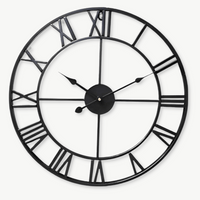
Metal is the default recommendation for moisture-heavy rooms, and for good reason. But not all metals are equal, and the finish matters as much as the base material. When we talk about the best material for a wall clock in a humid room, powder-coated steel and stainless consistently come out on top.
Powder-Coated Steel
Powder coating seals the steel beneath a thick, electrostatically bonded layer of pigment that moisture simply can't penetrate the way it would with paint. Chips are far less common than with spray-painted finishes, and when they do occur, the exposed edge corrodes slowly rather than spreading. For kitchens especially, powder-coated steel clocks are the practical workhorse: they resist grease splatters, wipe clean with a damp cloth, and hold their color under UV from kitchen lighting. When mounting, keep the clock at least 6 inches from any direct steam source (so, not directly above the kettle or the stovetop) and you'll get years of trouble-free use.
Stainless Steel (304 or 316 Grade)
Stainless steel is essentially impervious to bathroom humidity. Grade 304 handles domestic moisture without issue; grade 316 is used in marine environments and is genuinely overkill for a bathroom, though it's reassuring to see it in a clock built for coastal homes or *spa*-style bathrooms. The brushed finish hides water spots better than a polished one, which is worth knowing if you're mounting it close to a shower. Speaking of which: aim to position the clock at least 6 inches horizontally from the shower spray zone. Directly above a showerhead is the one place even stainless will struggle long-term, less from rust and more from mineral deposit build-up on the dial.
Aluminum
Aluminum doesn't rust at all; it oxidizes to form a thin, self-protecting layer. Clocks with aluminum cases or aluminum dials handle bathroom steam without any special treatment. The trade-off is that aluminum dents more easily than steel, so placement matters if your bathroom is a busy one.
Copper and Brass Finishes
Real copper and brass develop a *patina* in humid conditions. Some people love that living quality; others find it looks neglected after a year. If you choose an industrial or vintage clock with a genuine copper or brass finish, accept the patina as part of the design. Copper-plated steel (a thinner coating over a base metal) will eventually show patches where the plating wears, so it's worth asking whether the finish is solid or plated before committing to a humid-room placement.
Elena's tip
I always tell people: if you're torn between a finish you love and a finish that's "safe," go for the one you love and protect it with placement. A beautiful copper clock on the wall opposite the shower will outlast a boring stainless one mounted directly above it. Think about where the steam actually travels in your room before you pick up the drill.
Wood Clocks: When They Work and When They Don't
Wood is the most popular clock material for a reason. It's warm, versatile, and fits everything from Scandinavian minimalist interiors to rustic farmhouse kitchens. But raw wood and moisture are genuinely bad friends.
The key variable is sealing. A clock made from kiln-dried hardwood (oak, walnut, teak) and finished with multiple coats of polyurethane or marine-grade lacquer can handle moderate bathroom humidity without warping. "Moderate" means a well-ventilated bathroom where steam clears within 15 to 20 minutes of a shower, not a windowless steam room. Teak is the standout here: it's naturally oily, which slows moisture absorption and makes it a genuinely sensible choice for bathrooms with good ventilation.
Bamboo, technically a grass but treated like wood in most clock manufacturing, performs similarly well when sealed. It's dimensionally stable, sustainably sourced in most cases, and has a clean, contemporary look that works in both minimalist and Japandi-style spaces.
What to avoid: MDF, particleboard, and any clock with exposed unfinished wood edges. These materials act like sponges. You often can't tell from the front face, so check the back of the clock before buying. If the rear panel feels light and papery, that's compressed fiberboard, and it will swell and warp within a season in a humid bathroom.
One practical tip: if you fall for a wooden clock with a lovely raw-edge design, seal it yourself before hanging. Two coats of water-based polyurethane on the back and sides takes ten minutes and can add years to its life in a kitchen or bathroom environment.
Glass and Acrylic Faces: The Underrated Performers
The face of a clock takes as much moisture stress as the case, sometimes more. Standard paper dials yellow, bubble, and peel in humid rooms. Printed cardboard does the same. Clocks with tempered glass or acrylic (PMMA) faces handle moisture much more cleanly, and they're easier to wipe down when steam leaves a haze.
Tempered glass is the more premium option: scratch-resistant, heavy, and with a clarity that makes the dial feel crisp even at distance. Acrylic is lighter, shatter-resistant (useful in a busy kitchen), and almost as clear. For an industrial or minimalist clock with an open-face design (where there's no cover at all), the dial itself needs to be printed on water-resistant stock or laser-etched into the case material. Look for that detail in product descriptions.
The Movement Inside: Why It's the Hidden Variable
You can have a perfectly moisture-resistant case and still end up with a dead clock in eighteen months if the quartz movement inside isn't protected. Most standard quartz movements are open assemblies: the gears, coils, and circuit board sit exposed inside the case. In a humid room, that exposure invites corrosion and eventual failure.
What to look for: movements described as "sealed," "enclosed," or sometimes marketed specifically for bathroom or outdoor use. Some manufacturers pot the circuit board in epoxy resin, which makes it essentially waterproof. These details aren't always front-and-center in product listings, so it's worth reading the specifications or contacting the retailer if you're placing a clock in a high-steam environment like a shower room or directly above a stove.
Silent sweep movements (also called *moto continu* in French clock-making tradition) tend to have slightly better sealing than loud-tick stepping movements, though this isn't universal. The practical benefit in a bathroom is obvious anyway: no ticking echoing off tiles at 2 a.m.
Quick placement checklist before you hang
- Mount at least 6 inches horizontally from shower spray or kettle steam.
- Avoid placing directly above overhead steam sources (extractor fans help enormously here).
- Choose an exterior or interior wall that doesn't accumulate cold condensation overnight.
- If you have no window, factor in a bathroom fan rated for the room's volume before installing any clock.
- For wood clocks, check that the room humidity drops below 65% within 20 minutes after a shower.
Materials to Avoid in Humid Rooms
Just as useful as knowing what works is knowing what to skip. A few materials fail so predictably that it's worth naming them directly.
Untreated MDF and particleboard absorb moisture and swell, often invisibly at first, until the back panel delaminates or the hands stop moving because the case has warped around the movement. This is the most common failure mode in budget clocks placed in bathrooms.
Paper and cardboard dials yellow and bubble. Even if the case holds up, the face starts looking tired within a year of regular steam exposure. Look for metal, glass, or acrylic dials instead.
Iron without a protective coating rusts visibly and quickly. Some decorative clocks use raw iron for an aged look; that's fine for a dry living room, but it'll stain your wall in a bathroom.
Standard chrome plating on cheaper clocks often sits over zinc alloy (*zamak*). When moisture finds a scratch or edge gap, it corrodes the base metal underneath and lifts the chrome in flakes. It looks particularly bad on clock hands and hour markers.
Practical Pairing: Matching Material to Room Style
The best material for a wall clock in a humid room isn't just a technical question; it's a design question too. Here's how the main options map to the interior styles most common in kitchens and bathrooms.
- Scandinavian/Nordic kitchens (light wood, white walls, black accents): sealed birch or oak clocks, or powder-coated black steel with a clean dial.
- Industrial bathrooms (exposed brick, matte black fixtures, concrete): brushed steel or a copper-finish metal clock; aged brass if ventilation is good.
- Minimalist spaces (monochrome, clean lines): acrylic-face clocks with aluminum cases, or frameless tempered glass designs.
- Farmhouse and rustic kitchens: sealed teak or bamboo, or distressed powder-coated steel in an off-white or warm grey.
- Japandi bathrooms (wabi-sabi textures, natural tones): sealed bamboo or matte ceramic-effect resin cases.
If you're still building out your kitchen or bathroom aesthetic, our guide to choosing the right wall clock for your space covers sizing, placement height, and style matching in detail. It's a good companion read before you commit.
FAQ
- Can I use a wooden clock in a humid bathroom?
- Yes, but only if the wood is sealed. Kiln-dried hardwoods (oak, walnut, teak) with multiple coats of polyurethane or marine lacquer can handle moderate bathroom humidity comfortably. Teak is the best natural choice because it's inherently oily and slow to absorb moisture. Avoid MDF, particleboard, or any clock with unfinished wood edges. The bathroom also needs to ventilate well: if steam lingers for more than 20 minutes after a shower, even sealed wood will struggle over time.
- What grade of stainless steel should I look for in a bathroom clock?
- Grade 304 stainless steel is more than sufficient for any domestic bathroom, including those with a lot of steam. Grade 316 (sometimes called marine-grade stainless) is used in saltwater environments and is genuinely unnecessary for indoor use, though it won't hurt. Both grades resist rust and corrosion in humid conditions; the difference becomes relevant only if you're in a coastal home with high salt-air exposure.
- How far from the shower should I mount a wall clock?
- At least 6 inches horizontally from the shower spray zone is the practical minimum, even for metal clocks. Direct water spray is harder on seals and finishes than ambient steam. If your bathroom has a power shower or a rainfall head, give the clock a full wall's distance if possible. Positioning it on the wall opposite the shower, rather than adjacent to it, dramatically extends its lifespan regardless of material.
- Do copper or brass clocks really develop a patina in the bathroom?
- Genuine copper and brass do develop a green or brown patina (*verdigris*) when regularly exposed to humidity. Whether that's a feature or a flaw depends on your taste. Industrial-style interiors often lean into the aged look; if you prefer a consistent finish, choose a clock with a copper-effect powder-coated steel case instead. The powder coat holds its color for years without patination, while still delivering the warm copper aesthetic.
- What is the best clock movement for a humid kitchen or bathroom?
- A sealed quartz movement is what you want. Look for product descriptions that say "sealed," "enclosed movement," or specifically mention suitability for humid or outdoor environments. Silent sweep movements (sometimes called *moto continu*) are a bonus in bathrooms for obvious acoustic reasons, and they tend to have slightly more enclosed housings than loud-tick stepping movements. Epoxy-potted circuit boards offer the highest moisture protection.
- Is acrylic or tempered glass better for a clock face in a humid room?
- Both are excellent. Tempered glass is more scratch-resistant and feels more premium; acrylic (PMMA) is lighter and shatter-resistant, which is useful in a busy kitchen. Neither absorbs moisture, so either will outperform a paper or cardboard dial significantly. If the clock will be near a spot where it could be knocked (next to a cabinet door, for example), acrylic's impact resistance is a practical advantage.