
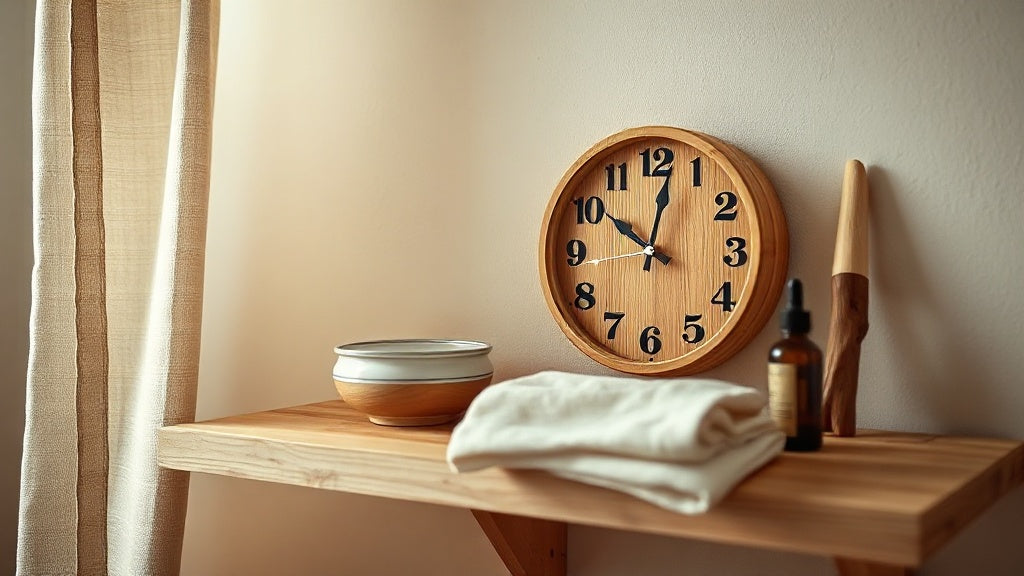
That wooden wall clock you picked out so carefully? It's quietly collecting dust, fingerprints, and the occasional kitchen grease splatter - and most people have no idea how to address it without accidentally stripping the finish or warping the frame. Cleaning a wooden wall clock safely isn't complicated, but it does require a different approach than wiping down a metal or acrylic piece. Wood breathes. It reacts to moisture, heat, and harsh chemicals in ways that glass or powder-coated metal simply don't.
Whether your clock has a raw bamboo frame, a painted hardwood case, or a lacquered natural wood finish, the principles are the same: dry first, damp second, protect after. Here's how to do it properly so your clock keeps looking the way it did the day you hung it.
À retenir
- Always dust before introducing any moisture - rubbing grit into the wood scratches the finish.
- Never spray water or cleaner directly onto the clock frame.
- Remove or protect the clock movement before any damp cleaning step.
- Different finishes (raw wood, lacquered, painted, bamboo) need slightly different products.
- A light oil or wax treatment once or twice a year prevents drying, cracking, and warping.
What You'll Need Before You Start
Getting the right tools together takes two minutes and saves you from a lot of frustration. Using the wrong cloth or cleaner is the most common reason wood finishes go dull or blotchy after cleaning. Trust me, I've ruined a beautiful oiled-oak frame with a single careless spray of all-purpose cleaner before I knew better.
- Soft microfiber cloths (at least two - one for cleaning, one for drying)
- A soft-bristled brush or a clean, dry paintbrush (for carved details and crevices)
- Mild dish soap - one small drop diluted in a cup of warm water
- White vinegar diluted 1:10 with water (only for greasy kitchen residue on lacquered or varnished frames - never on raw or unsealed wood)
- Wood conditioner, furniture oil, or a light paste wax (finish-dependent - more on that below)
- Cotton swabs for tight corners around the dial
- A clean, flat surface to set the clock while you work
What you don't need: paper towels (they scratch), all-purpose sprays (too harsh), furniture polish with silicone (leaves a residue that clouds wood over time), or anything containing bleach or ammonia.

Step 1 - Take the Clock Down and Remove the Movement
This step gets skipped more than it should. Cleaning a clock while it's still on the wall means debris and moisture fall into the mechanism. For most quartz wooden wall clocks, removing the movement is straightforward: open the back panel (usually a simple tab or small screw), lift out the quartz module, and set it aside on a dry surface.
If your clock has hands attached directly to the front, note their positions before you do anything. Take a quick photo on your phone. When you reassemble, you'll want to reset the time accurately without forcing the hands past the 12 o'clock position repeatedly - that strains the stepping motor and shortens its life considerably.
With the movement out and the clock face accessible, you now have a clean wooden frame to work with. Set it flat on a soft cloth on a table or counter. It only takes an extra 90 seconds, and it's the single most important thing you can do before cleaning a wooden wall clock safely.
Step 2 - Dry Dusting First, Always
Here's the thing I always tell friends when they ask about this: skipping the dry-dust step is like exfoliating your skin without rinsing the grit off first. Fine dust and microscopic particles act like sandpaper when rubbed with a damp cloth, leaving micro-scratches that dull lacquered and painted surfaces over time. You won't see the damage immediately - but six months later you'll wonder why the finish looks tired.
Use your soft-bristled brush or dry microfiber cloth and work from the top of the frame downward. For clocks with carved or relief details - Roman numeral surrounds, decorative moldings, textured bamboo grain - use the dry paintbrush to flick dust out of recesses before wiping. Take your time here. Two minutes of dry brushing genuinely saves the finish from avoidable damage.
Did you know?
Bamboo - used in many modern Scandinavian-style wooden clocks - is technically a grass, not a timber. Its cellular structure makes it highly responsive to humidity changes, which means it expands and contracts more noticeably than hardwoods like oak or walnut. That's exactly why moisture-heavy cleaning methods cause bamboo clock frames to bow or crack at the joints over time.
Step 3 - Damp Cleaning by Finish Type
This is where most guides oversimplify. "Wipe with a damp cloth" covers about 40% of the cases. The right approach depends on what finish your clock frame actually has - and choosing the wrong product here is how you accidentally strip the very coating that's been protecting your wood.
Lacquered or varnished wood frames
These are the most forgiving. Dip a microfiber cloth into your mild soap-and-water solution, wring it out until it's barely damp (you should be able to press it against your wrist without feeling wet), and wipe the frame with the grain. Follow immediately with a second dry cloth. The key is speed: water sitting on lacquer for more than 30 seconds starts working at the edges of any chips or cracks in the coating. After drying, a thin coat of silicone-free furniture polish once a year keeps the lacquer supple and resistant.
Painted wood frames
Painted surfaces are more vulnerable than they look. Use the same diluted soap solution, but work in smaller sections and use even lighter pressure. Rubbing too hard on painted wood lifts color at corners and edges first. If there's a stubborn mark, dab rather than scrub. Rinse the cloth with clean water and wipe the area again to remove soap residue, then dry immediately. A light car wax applied once a year over the painted surface adds a quiet layer of protection that lets you wipe it down even more easily next time.
Raw, oiled, or waxed wood
Skip soap entirely. A barely damp microfiber cloth with plain water is all you use here. Soap strips the oils and waxes that protect unsealed wood and keep it from drying out. After wiping, dry right away and plan to re-oil or re-wax within 24 hours (see Step 5 below). For raw or oiled frames, linseed oil, tung oil, or a dedicated furniture oil applied with the grain 2 to 3 times a year is the difference between a clock that ages beautifully and one that looks exhausted by year three.
Bamboo frames
Bamboo tolerates light moisture, but hates prolonged exposure. Wipe quickly with a lightly damp cloth, then dry the surface completely before setting the frame aside to air for 15 to 20 minutes. Never leave a bamboo frame in a damp room while wet - the joints are the weak point. Once dry, a thin application of light mineral oil or coconut oil buffed to a matte finish once or twice a year keeps bamboo looking fresh and prevents the surface hairline cracks that come from drying out.
Which brings us naturally to our first pick. If you want a bamboo frame that genuinely rewards this kind of easy care routine, this one is hard to argue with:
Step 4 - Tackling Grease, Sticky Residue, and Stubborn Stains
Kitchen clocks get greasy. Hallway clocks collect fingerprints. Living room pieces attract candle smoke residue over the years. Here's what works without damaging the wood.
Grease and cooking splatter (lacquered or varnished frames only)
Mix one part white vinegar with ten parts warm water. Apply with a barely damp cloth, wipe the affected area quickly, then follow with a plain water wipe and dry cloth. The acidity cuts grease on sealed surfaces without being aggressive enough to strip varnish. Don't use this on raw, oiled, waxed, or painted wood - vinegar is too harsh for those finishes. A question that comes up a lot: can you use vinegar on bamboo clocks? Short answer: no. Even diluted, vinegar's acidity interferes with bamboo's natural oils and can cause surface dulling or joint weakening over repeated use. Stick to plain water for bamboo.
Sticky residue from tape or labels
A tiny amount of coconut oil or olive oil on a cotton swab, worked gently over the sticky spot, usually lifts it without scratching. Follow with a dry cloth to remove the oil. This works on virtually all wood finishes and is much gentler than reaching for a solvent.
Candle smoke and yellowing
This is gradual oxidation of the finish, not surface dirt. Light cleaning won't fix it. If your clock frame has developed a yellow-brown haze from candle smoke or fireplace proximity, the only real fix is re-finishing - either stripping and re-lacquering, or sanding back raw wood and re-oiling. At that point, it's worth asking a furniture restorer for 20 minutes of their time rather than experimenting at home.

Cleaning the Clock Face and Hands
The dial and hands need a completely different approach from the wooden frame. Most clock faces are printed paper, acrylic, or glass - none of which respond well to wood-cleaning products. Getting this part right is honestly half the battle when it comes to cleaning a wooden wall clock safely.
- Glass dial covers: a barely damp microfiber cloth, then dry. Glass cleaner works fine if applied to the cloth first, never directly to the glass.
- Printed paper dials: dry cloth only. Any moisture, even briefly, can cause bubbling, warping, or ink bleeding. If there's a fingerprint, try a dry cloth held very lightly. If it won't shift, leave it - a slightly smudged dial beats a warped one.
- Metal or painted hands: barely damp cotton swab to clean, dry immediately. Work slowly around the central shaft - this is where moisture most easily reaches the movement.
Step 5 - Conditioning the Wood After Cleaning
Cleaning removes dirt - but it also removes some of the natural oils and protective residues that keep wood hydrated and resistant to cracking. Skipping the conditioning step is why cleaned wooden objects sometimes look "thirstier" or duller after washing than before. Think of it as the moisturiser step after cleansing. You wouldn't skip it on your skin; don't skip it on your clock.
Once the frame is fully dry (wait at least 30 minutes after damp cleaning), apply a light conditioner suited to your finish:
| Finish type | Recommended product | Frequency |
|---|---|---|
| Raw or oiled wood | Linseed oil, tung oil, or dedicated furniture oil | 2-3 times per year |
| Waxed wood | Light beeswax or paste wax (buff off after 5 min) | 1-2 times per year |
| Lacquered or varnished | Silicone-free furniture polish (applied sparingly) | Once a year or after deep cleaning |
| Bamboo | Light mineral oil or coconut oil, buffed dry | 1-2 times per year |
| Painted wood | No oil needed; a light car wax over paint protects color | Once a year |
Apply any oil or wax with a soft cloth, work it in with the grain using small circular motions, then buff off the excess with a clean dry cloth. The goal is a thin, even layer - not a slick coat. A heavy application just attracts dust faster and can cloud the finish. Less is genuinely more here.
How Often Should You Actually Clean a Wooden Wall Clock?
The honest answer: more than most people do, less than most guides suggest. A quick dry dust every two to four weeks keeps grit from building up and scratching the finish during your next wipe-down. A proper damp clean, followed by conditioning, twice a year is enough for most living spaces.
Kitchens are the exception. A wooden clock hanging above or near a hob picks up airborne grease much faster - quarterly cleaning makes a real difference there. Same if you burn candles regularly nearby or have a fireplace in the room. Smoke residue is cumulative and much harder to remove once it's baked into the finish.
High-humidity bathrooms are a placement to reconsider entirely. Wooden wall clocks in bathrooms - even ones with sealed lacquer finishes - will warp, swell, or crack at the joints over 12 to 18 months. The finish protects the surface but can't stop moisture from entering through the back panel, the hands' shaft opening, or any fine cracks that develop over time.

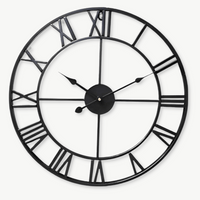
Speaking of placement: if you're after a piece that pairs easy maintenance with a strong visual impact on a bedroom or living room wall, this Nordic bamboo design is one I keep coming back to. The matte black painted surface follows the painted-wood care route we covered above - which is honestly the simplest of all the finish types.
Three Mistakes That Warp and Ruin Wooden Clock Frames
These come up in customer conversations again and again - worth being direct about them.
1. Spraying any liquid directly onto the frame
It seems faster. It isn't worth it. Spray mist gets into the back panel gap, the hand shaft, and the battery compartment. Even one incident of moisture reaching a quartz movement can corrode the battery contacts and stop the clock within weeks. Always apply moisture to the cloth first, never to the wood. This is probably the single most common mistake people make when attempting to clean a wooden wall clock for the first time.
2. Leaving the clock in a damp room while the wood is still wet
After cleaning, set the frame in a dry, ventilated space for at least 20 to 30 minutes before hanging it back up. A bathroom, kitchen, or basement with high humidity traps moisture in the grain while the wood is still slightly open from cleaning. That's exactly when warping starts - and once a joint has bowed, it's very difficult to reverse without professional intervention.
3. Using multi-surface or glass cleaners on wood
Products like Windex contain ammonia or isopropyl alcohol, which strip wood finishes quickly. One application won't destroy the surface - three or four applications over a year will leave lacquered frames dull and painted surfaces chalky. Check the label before reaching for a cleaning product. If it says "multi-surface," assume it's not safe for your clock frame unless the label explicitly lists finished wood.
"Treat a wooden clock the way you'd treat good furniture. It's not precious, but it's not a ceramic tile either."
A practical principle that applies to every wooden clock frame, whatever the style.
Keeping a Wooden Clock Looking Good Long-Term
Maintenance is mostly about placement and habit. Position your wooden clock away from direct sunlight if possible - UV light fades finishes and dries out wood faster than almost anything else. Keep it at least 30 cm from heat sources like radiators, ovens, or fireplaces. Even indirect heat causes seasonal expansion and contraction that eventually loosens glued joints.
A regular dusting routine makes a bigger difference than any single deep-clean session. Keeping a microfiber cloth near the room where your clock lives means you're more likely to give it a 30-second wipe when you notice dust accumulating, rather than waiting until it becomes a proper cleaning job. Small consistent habits protect wood better than occasional intense attention. It sounds almost too simple, but that two-minute fortnightly dust is genuinely the best thing you can do for a wooden frame's long-term condition.
If you're looking for the full range of wooden wall clocks available in both bamboo and hardwood styles, or if you want to compare care requirements before choosing your next piece, browsing by material type makes the decision much clearer. For anything with a more decorative carved frame, the vintage wooden wall clock category includes detailed material notes that help you anticipate exactly the kind of maintenance you'd be signing up for.
FAQ
Can I use a wood polish like Pledge on my wooden wall clock?+
Most aerosol furniture polishes contain silicone, which builds up on wood surfaces over time and creates a hazy, plastic-looking layer that's difficult to remove. For lacquered or varnished clock frames, a silicone-free liquid polish applied sparingly with a cloth is a much better option. For raw, oiled, or waxed wood, stick to dedicated wood oils or beeswax. And whatever you do, don't spray anything directly at the clock face - always apply to the cloth first.
Can you use vinegar on bamboo clocks?+
No - and this is worth saying clearly because diluted vinegar is often recommended as a general wood cleaner. Vinegar's acidity interferes with bamboo's natural oils and can cause surface dulling, joint weakening, and discoloration over repeated use. Even a 1:10 dilution is too acidic for untreated bamboo surfaces. For cleaning a wooden wall clock with a bamboo frame, plain water on a barely damp cloth is all you need. If there's grease, use a single drop of mild dish soap diluted in water - nothing stronger.
My bamboo clock frame has a small crack - can I fix it at home?+
Small surface cracks caused by drying are common in bamboo, especially in centrally heated homes during winter. Clean the area with a dry cloth first, then apply a small amount of wood filler or clear wood glue into the crack with a toothpick, wipe off the excess, and let it cure fully (24 hours) before sanding lightly with 220-grit sandpaper. Finish with a thin coat of matching wood oil. This works well for hairline cracks; deeper splits at the joints are harder to repair cleanly without professional help. Prevention is easier: keep bamboo oiled regularly and position the clock away from direct heat sources.
How do I remove a white water ring stain from a lacquered wooden clock frame?+
White rings on lacquer are usually moisture trapped just below the surface film. A classic trick: apply a small amount of non-gel toothpaste (plain white, not whitening) to a soft cloth and rub gently over the mark with the grain. The mild abrasive breaks up the haze without cutting through the lacquer. Wipe clean, then apply a thin coat of silicone-free furniture polish. This works for light surface haze; if the ring has darkened or penetrated deeply, you're looking at a refinishing job rather than a quick fix.
Is it safe to clean a wooden clock with essential oils?+
Not really recommended as a primary cleaner. Some essential oils - tea tree, citrus-based - can actually strip lacquer or leave residues that attract dust. If you enjoy the scent, a single drop of lemon oil or lavender mixed into a carrier oil (like mineral oil) as a conditioning step is fine. But the cleaning itself should still be done with plain water or diluted mild soap first. Think of essential oils as an optional finishing touch, not a substitute for proper cleaning.
How do I know if my wooden clock frame is raw wood, lacquered, or waxed?+
A quick test: apply one small drop of water to an inconspicuous spot on the back of the frame. If it beads up and sits on the surface, the wood is sealed (lacquered, varnished, or painted). If it absorbs into the wood within a minute and leaves a small dark spot, the wood is raw or only lightly oiled. Waxed wood usually has a subtle sheen and a slightly waxy feel when you run your fingertip across it. If you're still unsure, treat it as raw wood - that's the most conservative and protective approach, and you won't accidentally strip anything.