
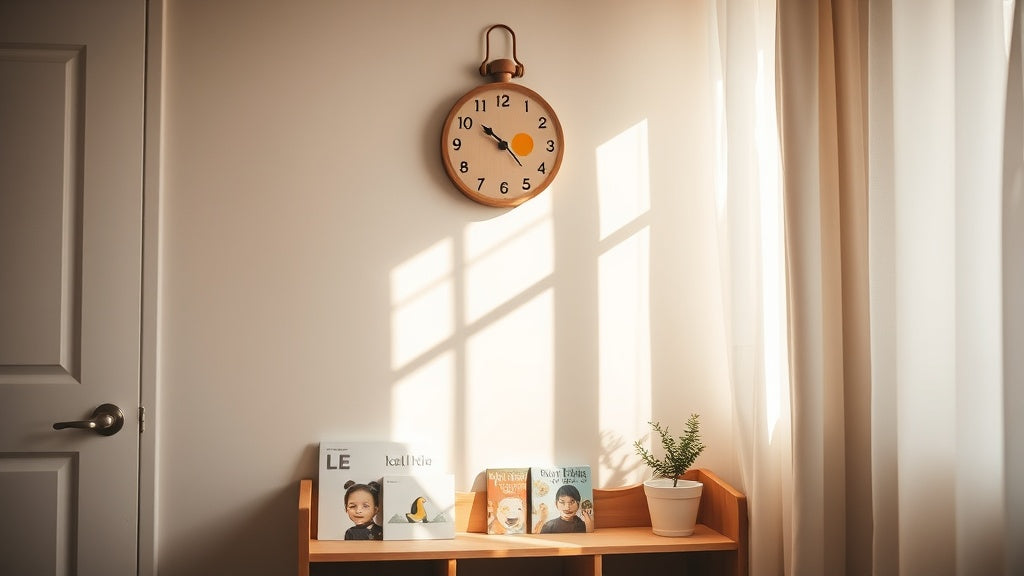
Kids notice things adults walk past every day. Put an interesting clock on their bedroom wall and within a week they're telling you the time, asking how the hands move, and pointing it out to every friend who walks through the door. That's the quiet power of a well-chosen wall clock for children's bedroom fun designs. It isn't just decoration; it's the beginning of a relationship with time itself.
The tricky part? Most "kids' clocks" lean too hard in one direction. Either they're so busy with cartoon characters that they clash with everything else in the room, or they're so generic they add nothing at all. Here's what actually works, room by room, age by age, with a focus on wall clock for children's bedroom fun designs that genuinely stand the test of time.
⭐ À retenir
- Silent quartz movements are non-negotiable in a child's room - no tick means better sleep.
- Bold numerals beat abstract markers every time for kids learning to read the clock.
- A clock that matches the room's color palette will outlast any trend-driven novelty design.
- Size matters: a 25-30 cm (10-12 inch) clock is the sweet spot for most children's bedrooms.
- Celestial, nature, and animal motifs age well; licensed characters typically don't.
Why a Children's Bedroom Clock Deserves Serious Thought
A child's bedroom is one of the most looked-at rooms in a home. Parents spend time there at bedtime, during homework hour, on slow weekend mornings. The clock on that wall gets seen constantly, by everyone. So while it might seem like a small decision, it shapes the entire feel of the room in a way that a throw pillow never quite does.
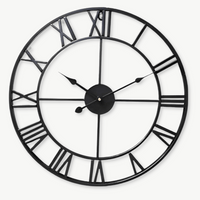
There's also a practical layer that gets overlooked. Children between ages 5 and 9 are actively learning to read analog clocks. A clock with clear, large numerals and well-defined hands isn't just cute; it's genuinely teaching something. A clock with Roman numerals or marker-only indices (beautiful as they are in a grown-up room) can confuse a child who's still building that foundational skill. Save the abstract dials for the living room.
And then there's the sleep angle. Any clock with an audible tick is a sleep disruptor. Kids, especially light sleepers, will fixate on that sound. A silent sweep mechanism removes the problem entirely. Think of it as one of those invisible investments that pays off every single night.
Fun Designs That Actually Hold Up Over Time
Let's skip the licensed character clocks for a second, because they deserve their own conversation. Outside of those, here are the design families that genuinely work as a wall clock for children's bedroom fun designs from toddler age right through the early teens.
Celestial and Nature Motifs
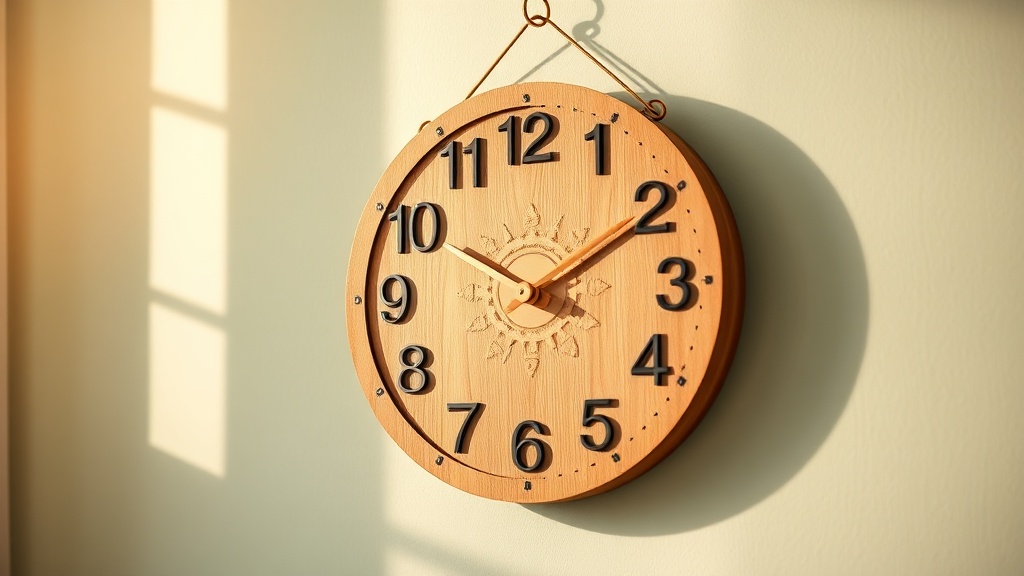
Sun and moon designs are having a long, sustained moment in children's interiors, and for good reason. They feel magical without being childish. A wooden clock with a carved sun face or a hand-painted crescent moon reads as whimsical to a five-year-old and perfectly Bohemian to a fifteen-year-old. That's the kind of longevity worth investing in.
Animal silhouettes, botanical prints, cloud shapes, anything drawn from the natural world tends to age gracefully. These motifs connect a child to something bigger than a cartoon trend, and they photograph beautifully for those milestone birthday snaps parents keep taking.
Minimalist with a Color Pop
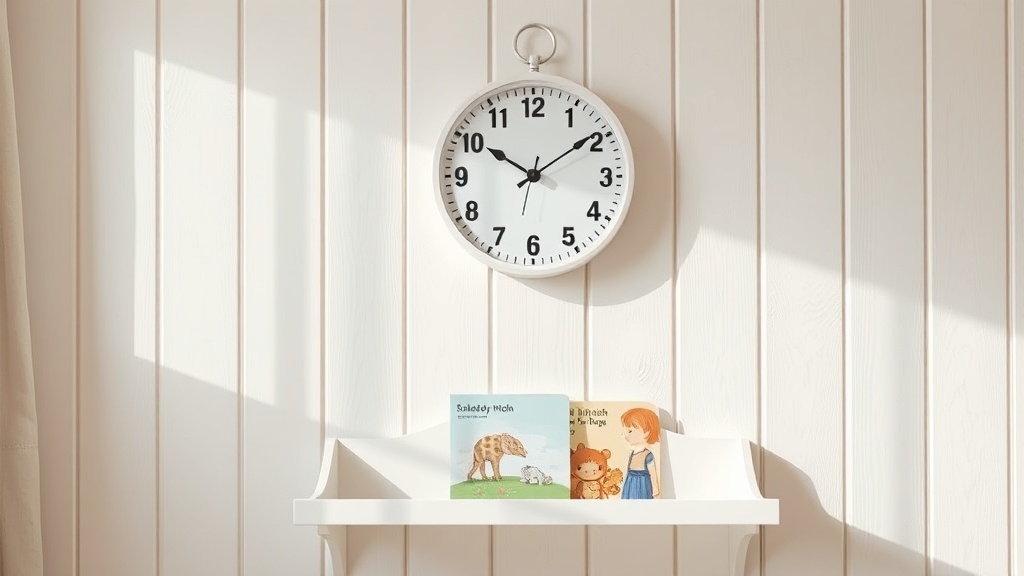
A simple white or natural wood clock face with one accent color (a bold red hand, a mint-green frame, a mustard yellow ring) can do real design work in a child's room without cluttering the visual field. Scandinavian-style clocks with clean dials and accent-color hands are particularly effective here. They're easy to read, easy to live with, and they slot into almost any room scheme. One parent we heard from described it as "the clock equivalent of a good white tee, it goes with everything." Exactly.
3D and Sculptural Designs
Three-dimensional clocks, where the numbers or decorative elements project out from the wall, genuinely delight children. They create a sense of depth and surprise that a flat print can't replicate. A cuckoo clock is the ultimate example of this: every hour becomes a small event, a tiny bird that earns a gasp every single time from a four-year-old.
💡 Did you know?
Clock-reading is a key milestone in most primary school curricula, typically introduced around age 6-7. Children who have an analog clock at home, one they see regularly and are curious about, tend to grasp the concept faster in class. A wall clock for children's bedroom fun designs creates passive, daily exposure that actually accelerates this skill. It's educational without feeling like homework.
What to Look for Beyond the Design
The visual style gets most of the attention, but a few functional details separate a great children's bedroom clock from one that ends up in a drawer six months later.
Silent Movement - Every Time
This is the one rule that has no exceptions. Children are sensitive sleepers. A ticking clock at 2am is a real problem, especially for kids who already struggle with settling. Silent quartz mechanisms (also called sweep movement) eliminate the tick entirely. When you're shopping, look for "silent quartz" or "sweep movement" in the description. If it doesn't mention silence, assume it ticks.
Readable Numerals at a Glance
Arabic numerals (1-12) in a reasonably large point size are the gold standard for a child learning to tell time. Roman numerals are beautiful in the right context, but that context is not a six-year-old's bedroom. Once a child has solid clock-reading skills (typically by age 9 or 10), more abstract or decorative faces become an option.
Appropriate Sizing for the Room
A 25-30 cm (10-12 inch) clock suits most children's bedrooms well. It's visible from across the room without dominating the wall. Larger rooms, or rooms where you want the clock to anchor a gallery wall, can go up to 40 cm. Anything much beyond that starts to feel like a statement piece rather than a bedroom accessory.
Materials That Are Safe and Durable
Wood (especially bamboo or MDF with non-toxic finishes) and lightweight acrylic are the safest bets. Heavy glass or ceramic clocks carry more risk if they ever fall. Check that the mounting hardware is solid; a clock that wobbles on its hook is one knock away from the floor.
The Cuckoo Clock Conversation: Are Cuckoo Clocks Good for Kids?
Here's a question that comes up more than you'd think: are cuckoo clocks a good fit for a child's room? The honest answer is: it depends entirely on the child and the parents' tolerance for audible timekeeping.
For some kids, a cuckoo clock is pure magic. The anticipation of the bird appearing on the hour, the little melody, the tiny moving figures, it turns time-checking into a game. A child who's nervous about the dark might actually find comfort in the hourly chime; it marks time passing, which can be reassuring.
For others (and for parents with a morning sleep-in routine), the sound is a deal-breaker. Most modern cuckoo clocks include a night silence function that mutes the chime between set hours, which solves a lot of problems. Worth confirming before you buy.

Matching a Clock to the Room's Existing Style
One of the most common mistakes is choosing a clock in isolation. You pick it because it's cute, it arrives, and then it fights with the bedding, the wall color, and the bookshelf. Here's how to sidestep that.
Neutral Rooms (White, Grey, Beige Walls)
This is the easiest scenario. Almost any clock style works because the room itself isn't making strong color claims. A natural wood clock with a clean white dial reads calm and Scandinavian. A bold primary-color clock pops as a deliberate accent. A celestial design in muted tones feels considered rather than random.
Colorful or Themed Rooms
If the room already has a strong identity (a deep green jungle theme, a navy nautical room, a pink maximalist space), the clock needs to either echo one of the existing tones or be deliberately neutral. A wooden compass clock in a nautical room is perfect. A bright rainbow clock in a minimalist navy room competes rather than complements.
Shared Bedrooms
Shared rooms need a clock that doesn't skew too far toward any one child's taste. Neutral materials (natural wood, white) with a fun shape or motif tend to be the diplomatic choice. A sun-and-moon design, for example, is universally appealing across ages and genders without feeling like it belongs specifically to either child.
| Room Style | Best Clock Style | What to Avoid |
|---|---|---|
| Neutral / Scandinavian | Natural wood, white dial, minimal color | Busy cartoon designs |
| Nautical / Adventure | Compass motif, world map, wood with metal accents | Floral or celestial designs |
| Boho / Nature | Sun/moon, tree of life, 3D nature motifs | Industrial metal or Roman numeral styles |
| Colorful / Maximalist | Bold shape, 3D cuckoo, accent-color hands | Another busy pattern that competes |
| Shared / Neutral Age Range | Celestial or animal silhouette, natural wood | Highly gendered or licensed designs |
The Case for a Celestial Clock: Sun, Moon, and Why Kids Love It
The sun-and-moon motif deserves its own section, because it keeps coming up in conversations with parents who've nailed their kids' room aesthetic. There's something about celestial imagery that maps perfectly onto childhood: the magic of nighttime, the rhythm of day and night that a young child is only just beginning to understand, the storytelling potential of stars and moons.
A wooden wall clock with a sun and moon carved or printed into the dial teaches time in a context that feels meaningful. Day and night become anchors for "morning" and "bedtime," which are already the two most important time concepts for a young child. It's not heavy-handed; it's just quietly clever.
Functionally, these clocks tend to use natural wood or MDF with warm-toned finishes that slot into almost any room color palette. They're lightweight, easy to mount, and the silent quartz movement means they won't interrupt a single nap. If you've been scrolling for a wall clock for children's bedroom fun designs that genuinely earns its wall space, the celestial category is where to start.

Placement: Where the Clock Goes Changes Everything
This is the bit that most buying guides skip over. The clock is only half the decision. Where you put it determines whether it works or not.
At Eye Level for the Child, Not the Adult
Here's a thing: most parents hang wall art at their own eye level, which puts it well above a child's sightline. A bedroom clock should be hung lower than your instinct tells you, roughly at the eye level of the child when they're standing. That way, checking the time is a natural, effortless action rather than a craned-neck exercise.
Visible from the Bed
The most-asked question about a bedroom clock is "what time is it when I wake up?" so position it where it's readable from the pillow. This usually means the wall facing the bed or the side wall perpendicular to it. Avoid the wall directly above the bed (straining upward to read it) and avoid any position where morning light creates glare across the dial.
Not Above a Desk
Above a desk seems logical but it's actually a distraction during homework. A child doing math doesn't need a constant visual reminder of how many minutes are left before dinner. The wall opposite the desk, visible only when they look up deliberately, is a better placement.
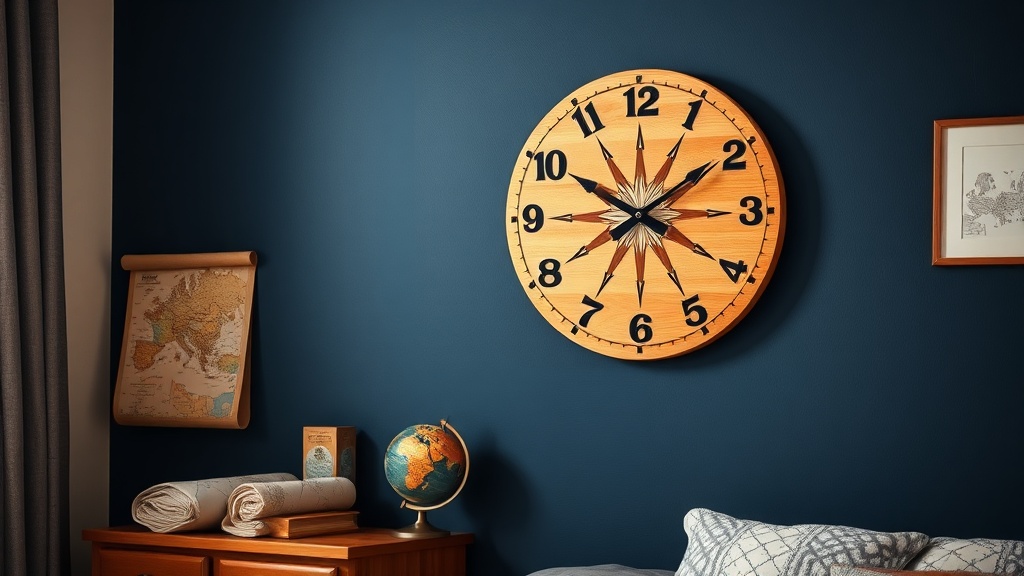
Adventure-Themed Fun Designs: The Best Wall Clock for Children's Bedroom Ages 9-13
Kids between 9 and 13 are often in a design limbo. They've outgrown character clocks but haven't arrived at adult aesthetic preferences yet. This is where adventure and exploration themes come in strong: compasses, world maps, nautical details, or organic geometric patterns.
A compass-design wooden clock, for example, reads as sophisticated enough to survive the transition into teenage years while still carrying enough personality to feel chosen rather than generic. World map clocks work particularly well in rooms belonging to kids who love geography, travel stories, or adventure books. They turn the clock into a conversation piece rather than just a timekeeping object.
For bedroom clocks in this age range, the sweet spot tends to be natural materials (wood, bamboo) combined with a motif that has some intellectual or emotional resonance for that specific child. Ask them. They have opinions, and the right answer is often more interesting than whatever you'd default to.

The Designs That Age Well (and the Ones That Don't)
Parents often frame this as a question about value: if I'm spending real money on a quality clock, how long will it work in this room? Here's the honest breakdown.
Designs that age well: celestial motifs, natural wood with simple dials, animal silhouettes in neutral tones, compass and map themes, Scandinavian minimalist with a color accent, 3D nature-themed cuckoo styles.
These tend to grow with the child because they're not anchored to a specific cultural moment. A five-year-old who loves the sun-and-moon clock will, at twelve, think it looks "vintage and cool." That's the best outcome.
Designs that don't age as well: licensed characters from current animated franchises, trend-specific color palettes (particular shades that are everywhere in one year and dated the next), highly literal "educational" designs with teaching text printed on the face, novelty shapes that clash with anything beyond the original room scheme.
None of this means avoiding fun. It means anchoring the fun in something timeless rather than something trending. The unique wall clock collection has plenty of designs that thread this needle well.
"The best children's room pieces are the ones your kid still loves at 16 and refuses to let you redecorate around."
A sentiment shared by more than a few parents who've been through multiple bedroom redesigns
What Parents Actually Say About Children's Bedroom Clocks
Real feedback patterns worth knowing before you buy:
- Silence matters most. The single most common positive note in reviews of children's bedroom clocks is silence. Parents who switched from a ticking clock to a silent quartz model report noticeably better sleep quality for light sleepers.
- Bold hands get used. Clocks with high-contrast, clearly defined hands get checked more often by kids. Thin, delicate hands (beautiful in an adult room) are harder for young eyes to read at a glance.
- Wood feels premium without being fragile. MDF and bamboo clocks consistently score well for durability and appearance. They don't chip or crack the way cheaper plastic frames do, and they look better as rooms evolve.
- Size surprises people. Most parents find that 30 cm looks smaller on the wall than they expected. If you're hesitating between two sizes, go up. A 35-40 cm clock in a child's room reads right; a 25 cm one can feel like an afterthought.
- Kids notice the details. More than one parent has mentioned their child talking about the clock unprompted, pointing it out to grandparents, asking how it works. A well-chosen design sparks that kind of curiosity. A forgettable one doesn't.
FAQ
What size wall clock works best in a children's bedroom?+
For most children's bedrooms, a clock between 25 and 40 cm (10-16 inches) works well. Smaller rooms suit the 25-30 cm range; larger rooms or situations where the clock serves as a focal point can go up to 40 cm. Many parents find that 30 cm looks smaller on the actual wall than expected, so if in doubt, size up rather than down.
Is a ticking clock bad for children's sleep?+
For light sleepers, yes. An audible tick creates a repetitive sound stimulus that some children fixate on when trying to fall asleep. Silent quartz or sweep-movement clocks eliminate this entirely. They use a continuous motion mechanism rather than a per-second step, which means no tick and no disruption. For any bedroom clock, silent movement is the safest choice.
At what age can a child start reading an analog clock?+
Most children begin learning to read analog clocks in school around age 6-7, though exposure at home beforehand makes a real difference. Having a clock with clear Arabic numerals and well-defined hands in the bedroom from age 4-5 builds familiarity before formal instruction. By age 8-9, most children read a standard clock face confidently with regular practice.
Are cuckoo clocks good for kids?+
Cuckoo clocks can be a wonderful fit, particularly for children who delight in the mechanical surprise of the hourly bird. The key consideration is the chime sound at night. Most modern cuckoo clocks include a night silence function that mutes chiming during set hours (typically 10pm-6am), which resolves the sleep concern. They're generally best suited to children aged 4 and older who won't be startled by the sound. Short answer: yes, with the night silence feature enabled.
Which clock designs work in a child's room from ages 4 through 14?+
Celestial motifs (sun and moon), nature themes (animals, botanical shapes, compasses), and Scandinavian minimalist designs in natural wood consistently age well across this range. They feel playful and warm to young children while reading as intentional and design-forward to older kids. Licensed character designs or strongly trend-specific palettes tend to feel dated within a few years and are best avoided if longevity is a priority.
What makes a wall clock genuinely educational for children?+
The most educational clocks for children combine three things: clear Arabic numerals (not Roman numerals or bare indices), high-contrast hands that are easy to distinguish from across the room, and a design the child actually finds interesting enough to look at regularly. Passive daily exposure does the heavy lifting. A well-designed clock in a child's bedroom is checked dozens of times a day, and each glance is a tiny lesson. That's far more effective than any dedicated "teaching clock" gathering dust on a shelf.